

 Vedic Food Experience
Experience the Six Tastes.
Every ingredient has a purpose. Every recipe has a story. Explore food through the lens of Ayurvedic wisdom, with practical recipes, ingredient stories and thoughtful food combinations for modern living.
Watch VFX on YouTube ↗


Recipes Inspired by Ayurvedic Food Wisdom
Explore the recipes featured in our Taste Roots ingredient stories. Open each card to discover its ingredients and preparation method.
Explore VFX Recipes
Recipes, ingredients and methods from Vedic Food Experience.
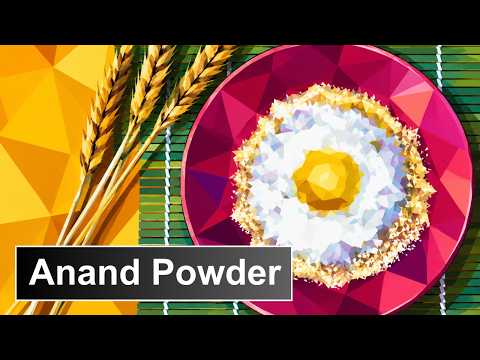
Anand PowderRead the Taste Roots story →Watch the recipe on YouTube ↗
Ingredients & Method
Ingredients
Toor Dal (Split Pigeon Peas) – ½ cup
Urad Dal (Split Black Gram) – ½ cup
Black Peppercorns – ½ teaspoon
Cumin Seeds – ½ teaspoon
Salt – 1 teaspoon
Method
Take equal quantities of toor dal and urad dal. Roast both dals together in a skillet until aromatic and lightly golden.
Turn off the heat and add the black peppercorns and cumin seeds. Allow them to roast gently in the residual heat for a few moments.
Allow the mixture to cool completely. Grind it into a fine powder. Add salt to taste and mix thoroughly. Store in an airtight container.
Serving Suggestion
Enjoy with warm rice and ghee, or use it as a flavourful accompaniment to your meals.

KachoriRead the Taste Roots story →Watch the recipe on YouTube ↗
Ingredients & Method
Ingredients
Wheat flour – ¾ cup
Rice flour – ¼ cup
Carom seeds (ajwain) – ½ tsp
Oil – 2 tsp (for the filling) + for deep frying
Soaked Bengal gram (chana dal) – 1 cup
Cumin seeds – 1 tsp
Asafoetida (hing) – ½ tsp
Grated ginger – ½ tsp
Garlic – 2–3 cloves
Ayurvedic garam masala – 1 tsp
Green chilli – 1
Curry leaves – as required
Salt – to taste
Method
In a pressure cooker, add the soaked chana dal, enough water to cover it, cumin, ginger, garlic, green chilli and curry leaves. Cook for 3 whistles.
Combine the wheat flour, rice flour, ajwain and salt. Add 1 tsp oil and mix. Add water as needed and knead into a slightly soft dough.
Once the cooker has cooled, grind the cooked chana dal mixture into a coarse paste.
Heat 1 tsp oil in a pan. Add hing and the ground mixture. Season with salt and Ayurvedic garam masala, and sauté until thick.
Allow the filling to cool and shape it into small balls. Roll small portions of dough into puris, place the filling inside and seal to shape the kachoris.
Deep-fry on low to medium heat until golden and crisp.
Serve hot with tamarind panchamrut or a chutney of your choice.
An Ayurvedic food perspective
Wheat flour provides energy and nourishment. Ajwain, ginger, garlic and hing are traditionally used to support digestion and help balance Vata. Chana dal is a plant-based source of protein. Cumin and curry leaves are traditionally used to support digestive agni. Enjoy fried foods in moderation; Ayurveda traditionally recommends having them during the daytime where possible.
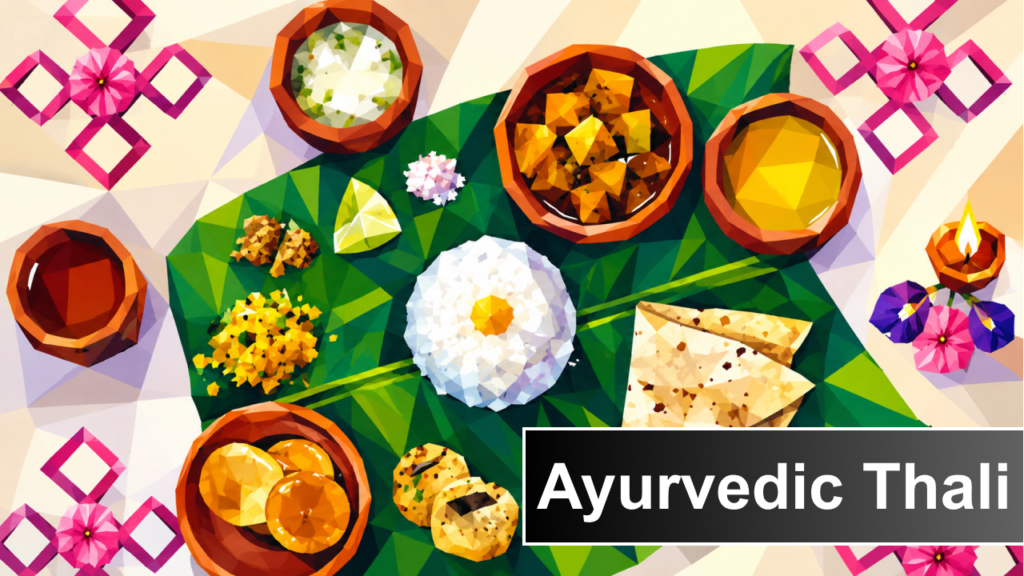
Ayurvedic ThaliRead the Taste Roots story →Watch the recipe on YouTube ↗
Ingredients & Method
Thali components
Ginger Chutney
Dry Moong Dal
Undarya
Simple Dal (prepared in the Ayurvedic way) & Rice
Roti
Red Pumpkin Vegetable
Taktav
Dadhipupak
The original article also explains the traditional sequence and approach to eating the meal.
Ginger Chutney
Dry Moong Dal
Undarya
Simple Dal (prepared in the Ayurvedic way) & Rice
Roti
Red Pumpkin Vegetable
Taktav
Dadhipupak
The original article also explains the traditional sequence and approach to eating the meal.
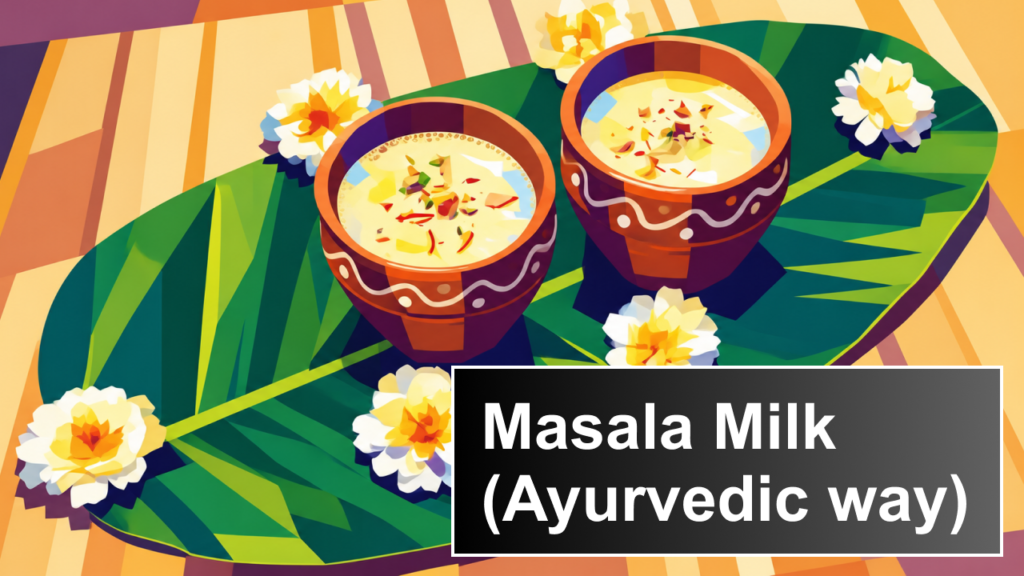
Masala Milk (Ayurvedic way)Read the Taste Roots story →Watch the recipe on YouTube ↗
Ingredients & Method
Masala Milk (Ayurvedic way)
Ingredients
Milk – ½ litre
Rock sugar – ¼ cup
Licorice (Mulethi) powder – ½ tsp
Cardamom powder – ¼ tsp
Cinnamon powder – ¼ tsp
Saffron – ¼ tsp
Chopped cashews and almonds – 2 tbsp
Gold coin – 1
Ghee – 1 tsp
Honey – 1 tsp
Method
Place the milk on the stove to heat. Add the gold coin to the milk. The coin should be thoroughly cleaned. Do not use any gold jewellery, as previously worn jewellery may not be hygienically clean. If you do not have a gold coin, there is no need to add one. Once the milk comes to a good boil, add the rock sugar, licorice powder, cardamom powder, cinnamon powder and a little saffron. Mix well. Then add the chopped cashews and almonds and ghee, and bring the milk to a boil again. The Ayurvedic milk is ready. Allow the milk to cool slightly, then add a little honey and serve. Do not add honey to very hot milk. Garnish with a little saffron and chopped cashews and almonds before serving.
From an Ayurvedic food perspective, this traditional milk preparation is considered nourishing, rich and strengthening.
n Ayurveda, milk (Kṣīra) is generally described as madhura (sweet), snigdha (unctuous), nourishing and supportive of Ojas. However, its use should be considered along with one’s digestion, constitution, and the way it is prepared.
For Sharad Ritu, the traditional seasonal framework emphasizes managing the Pitta that becomes aggravated during autumn. Milk’s cooling and nourishing qualities can therefore fit well into a Sharad-oriented diet, particularly when consumed appropriately.
“As Sharad arrives, Pitta rises with the returning heat. Ayurveda turns to gentle, nourishing foods — and milk has traditionally held a special place.”
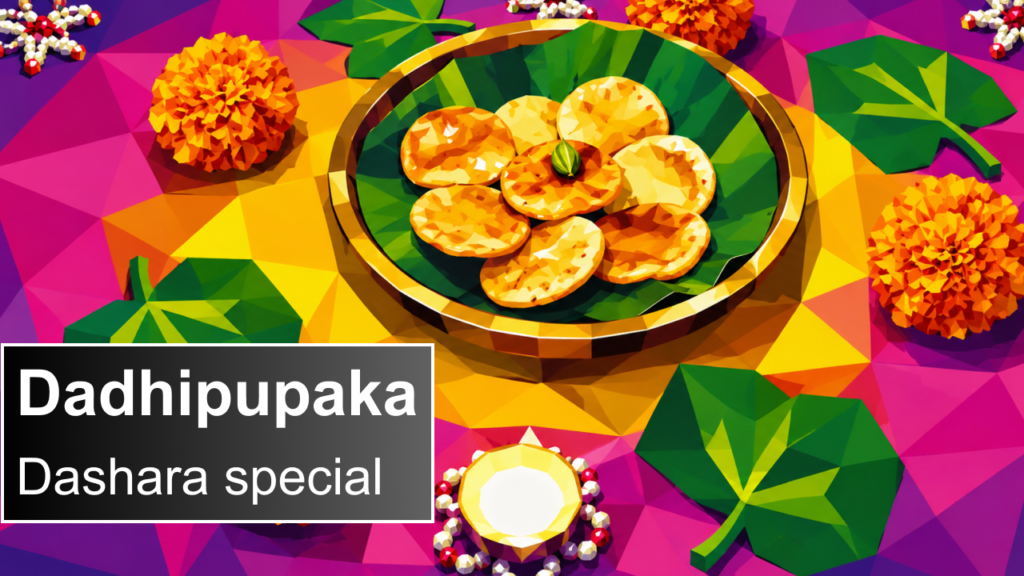
DadhipupakaRead the Taste Roots story →Watch the recipe on YouTube ↗
Ingredients & Method
Dadhipupaka
Ingredients
Rice flour – 1 cup
Curd/Yogurt – ¼ cup
Salt – ¼ teaspoon
Khandsari sugar – 1 cup
Cardamom – 2 pods
Ghee – for frying
Water – as required
This quantity makes approximately 23–24 small vadas.
Method
Combine the rice flour, salt and curd. Add a little water at a time and knead into a firm dough.
Apply a little ghee to the rolling board and shape small portions of the dough into small vadas.
Use a mould to give them a neat round shape.
Heat ghee in a kadai for frying the vadas. Meanwhile, prepare the sugar syrup.
In a vessel, combine khandsari sugar, water as required and cardamom. Prepare a one-string sugar syrup.
Fry the vadas in ghee over medium heat. Do not allow them to become hard or overly crisp, otherwise the syrup will not penetrate them properly.
Soak the fried vadas in the prepared sugar syrup.
Dadhipupaka is ready.
🌿 Ayurvedic Benefits
Rice is traditionally considered sweet in taste and nourishing.
Curd/Yogurt is traditionally described as Guru (heavy), Ushna (warming) and Amla (sour). When used appropriately, it can contribute to nourishment and taste.
Ghee is unctuous (Snigdha) and traditionally considered supportive of Vata balance and nourishment.
Khandsari sugar has a sweet taste and provides energy.
Cardamom is aromatic and traditionally used to support digestion.
From an Ayurvedic perspective: Dadhipupaka is a sweet, unctuous and nourishing preparation. Because it contains curd, ghee and sugar, it can be relatively heavy to digest. It is therefore best enjoyed in a small quantity, at an appropriate time, and according to one’s digestive capacity. It is especially suitable as a festive preparation or Naivedya (sacred offering).
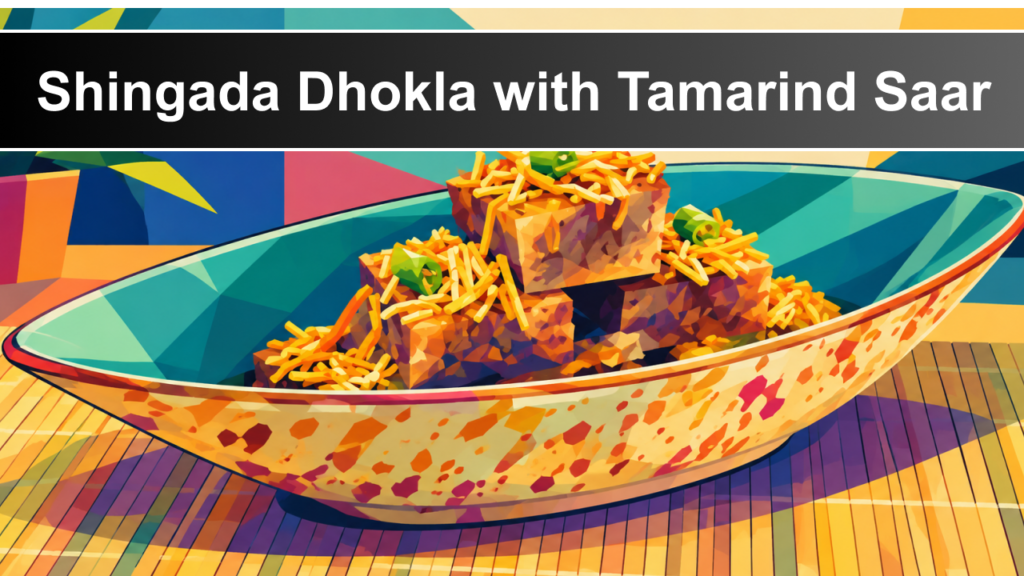
Shingada Dhokla with Tamarind SaarRead the Taste Roots story →Watch the recipe on YouTube ↗
Ingredients & Method
Shingada Dhokla with Tamarind Saar
Ingredients
For the Dhokla
Water chestnut flour (Shingada flour) – 1 cup
Yogurt – ¾ cup
Water – 1 cup
Rock salt – 1 tsp
Green chilli – 1
Baking soda – ½ tsp
Lemon juice – 1 tsp
For the Tamarind Saar
Oil – 2 tbsp
Cumin seeds – 1 tsp
Green chilli – 1
Thin tamarind pulp – 2 cups
Grated ginger – 1 tsp
Red chilli powder – 1 tsp
Rock salt – 1 tsp
Jaggery – ¼ cup
Method
Keep water boiling in a wide vessel for steaming.
Meanwhile, add shingada flour, yogurt, water, green chilli and rock salt to a mixer jar and blend briefly until the mixture becomes smooth and well combined.
Add lemon juice and baking soda and mix gently.
Ayurvedic Note – Baking soda has a traditional Ayurvedic connection with Svarjikā Kṣāra, a type of Kṣāra associated with sodium bicarbonate.
Grease a wide tray with oil and pour in the batter. Steam for about 15 minutes.
The dhokla is ready.
Now prepare the tamarind saar. Heat oil in a pan and add cumin seeds and green chilli for tempering. Add the tamarind water, rock salt, red chilli powder and jaggery. Bring it to a good boil.
The tamarind saar is ready.
Serve the dhokla hot with the warm saar. A little shingada sev or fasting-friendly sev on top makes it even more flavourful and tangy.
Ayurvedic perspective
Shingada (water chestnut) is described in Ayurvedic sources as madhura (sweet), kashaya (astringent), guru(heavy) and sheeta (cooling), with grahi action. It is traditionally associated with management of atisara(diarrhoea).
The tamarind-based saar, with its sour taste and ginger, can be presented as a flavourful accompaniment traditionally associated with supporting digestion rather than as a medicinal treatment. Ayurveda places Agni(digestive function) at the centre of digestion.
“Traditionally, shingada is considered grahi and is associated with supporting bowel firmness, while the tangy ginger-tamarind saar makes the meal more appetising and flavourful.”

UndaryaRead the Taste Roots story →Watch the recipe on YouTube ↗
Ingredients & Method
Undarya
Ingredients
Urad dal flour (Black gram flour) – 1 cup
Ground mixture (green chilli + fresh coriander + cumin) – 1 tablespoon
Asafoetida (Hing) – ½ teaspoon
Black pepper powder – ½ teaspoon
Coriander powder – 1 teaspoon
Cumin seeds – 1 teaspoon
Curry leaves – 8–10 leaves
Salt – to taste
Ghee – 2 tablespoons
Method
In a large mixing plate or bowl, combine urad dal flour, salt, coriander powder, black pepper powder and the ground mixture. Add water as required and knead into a soft dough. Heat water in a vessel and bring it to a boil for steaming. Grease a plate with ghee and shape the dough into a long roll. Place it on the greased plate. Steam the roll for approximately 15 minutes.
Allow it to cool and then cut it into small pieces. Heat ghee in a kadai. Add cumin seeds, asafoetida and curry leaves and prepare the tempering.
Add the steamed pieces and sauté gently. Alternatively, the pieces can be shallow-fried or fried in ghee or oil according to preference.
Undarya is ready to serve!
🌿 Ayurvedic Benefits
These are considered strength-promoting, nourishing, reproductive-tissue-supporting, and heavy to digest. They are traditionally described as beneficial for Vata, loss of appetite (Aruchi), and Ardita Vata, a condition in which the face or mouth becomes deviated to one side.
If there is no desire to eat during an illness, these may be given. However, since they are guru (heavy and difficult to digest), only 1–2 should be taken according to the individual’s condition and digestive capacity.
From an Ayurvedic perspective: Urad dal can be relatively heavy and Vata-increasing. The use of cumin, asafoetida, black pepper and ghee can make the preparation more digestively supportive. In an appropriate quantity, it can be a nourishing and strength-supporting preparation.
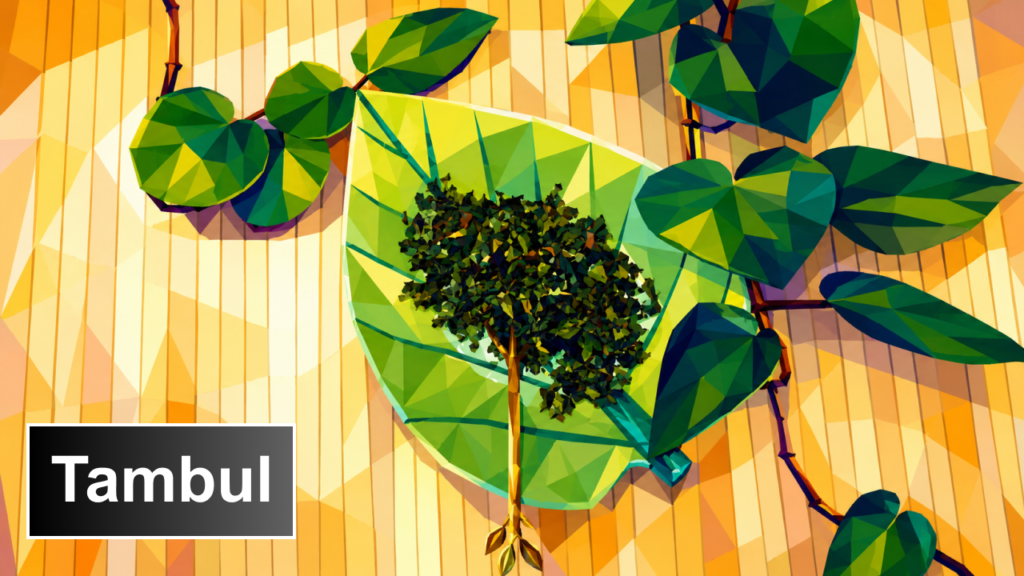
TambulRead the Taste Roots story →Watch the recipe on YouTube ↗
Ingredients & Method
Tambul
Ingredients
Betel leaves (Nagaveli/Paan leaves) – 10–12
Fennel seeds – 1 tsp
Dried coconut – 1 tsp
Carom seeds (Ajwain) – ½ tsp
Saffron – ¼ tsp
Nutmeg powder – ¼ tsp
Bhimseni camphor – a small piece
Rock sugar/Mishri – 2 pieces
Cloves – 3
Cardamom seeds – from 2 cardamom pods
Method
Wash the betel leaves thoroughly and pat them dry with a clean cloth.
Finely chop the leaves. You may also pulse all the ingredients together briefly in a mixer. Traditionally, all the ingredients are placed in a mortar and pestle and crushed well until properly combined. Tambul is ready.
🌿 Ayurvedic Benefits
Traditionally, Tambul is used after meals for oral freshness and to support digestion.
Supports digestion: Betel leaves, ajwain, fennel, cloves and cardamom are traditionally valued for their Deepana-Pachana (appetizing and digestive-supporting) properties.
May support Vata-Kapha balance: The warming and aromatic ingredients may help with heaviness associated with Vata-Kapha imbalance.
Supports oral freshness: Clove, cardamom and betel leaves provide a refreshing aroma and taste.
May help with post-meal heaviness: The digestive spices may support comfortable digestion after meals.
May support appetite: Ajwain and other aromatic spices are traditionally used for their Deepana properties.
Note: Tambul is a traditional preparation and is not a substitute for medical treatment. Consume in moderation. Make sure the Bhimseni camphor used is specifically food-grade/edible camphor.
For proper digestion of the food we eat, all digestive secretions—from saliva to the digestive juices produced in the stomach—need to be produced adequately. Betel leaves can be used to support this process. The ingredients in Tambul may aid digestion and help the stomach feel lighter sooner.
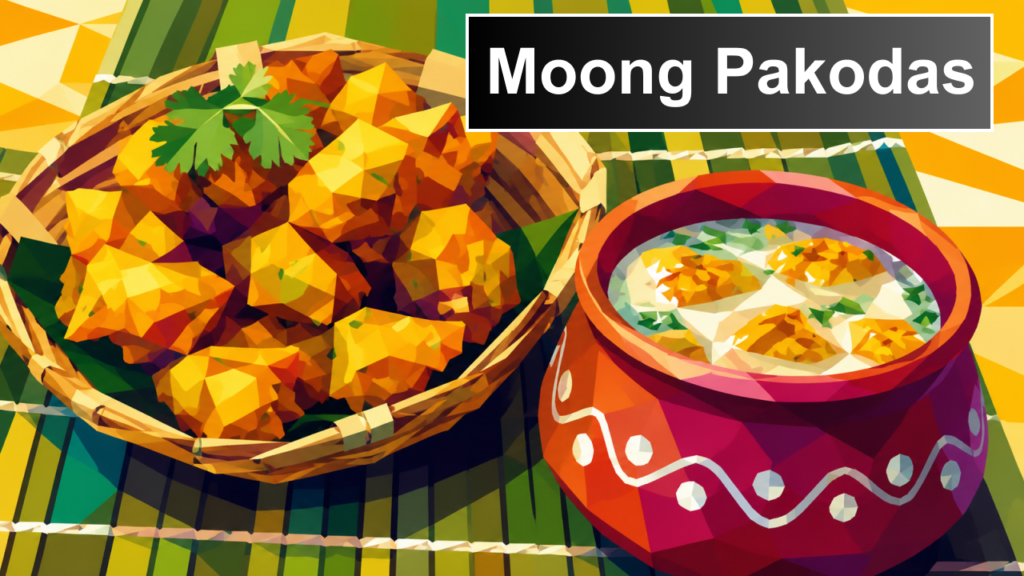
Moong PakodaRead the Taste Roots story →Watch the recipe on YouTube ↗
Ingredients & Method
Moong Pakoda
Ingredients
Soaked Green Gram (Moong Dal) – 2 cups
Green Chilli – 1
Ginger – 1 small piece
Fresh Coriander – as required
Curry Leaves – as required
Veswar Masala – 1 teaspoon
Cumin Seeds – 1 teaspoon
Asafoetida (Hing) – ½ teaspoon
Salt – 1½ teaspoons
Curd – ½ cup (for Masala Buttermilk)
Oil – for deep frying
Method
Drain the soaked moong dal and grind it coarsely. Grind the ginger, green chilli, and coriander into a smooth paste.
Heat 2 teaspoons of oil and prepare a tempering with cumin seeds and asafoetida.
In a bowl, combine the ground moong dal, salt, Veswar Masala, green paste (reserve a little for the buttermilk), chopped curry leaves, and the hot tempering. Mix well.
While the frying oil heats up, prepare the masala buttermilk by mixing curd, water, the reserved green paste, and salt.
Deep-fry spoonfuls of the batter until crisp and golden brown.
Serve the pakodas as they are or with tamarind chutney. For a traditional variation, add a few hot pakodas to the masala buttermilk before serving.
Pakodas soaked in buttermilk become lighter to digest and develop a refreshing, tangy flavor.
Ayurvedic Benefits
Green gram (Moong Dal) is considered light (Laghu), easy to digest, and Tridosha-balancing, making it one of Ayurveda’s most wholesome legumes.
Ginger, cumin, asafoetida, green chilli, and Veswar Masala help stimulate digestive fire (Agni) and support healthy digestion.
Curry leaves and coriander aid digestion while enhancing the flavor and aroma of the dish.
Buttermilk (Takra) is traditionally valued for promoting digestion, supporting gut health, and helping balance Vata and Kapha.
Soaking the pakodas in seasoned buttermilk reduces the heaviness typically associated with fried foods, making them easier to digest.
This dish is best enjoyed fresh, preferably as part of a balanced lunch or during the rainy season in moderate portions.
Ayurvedic Note: Although moong is naturally light and digestible, deep frying increases heaviness. Enjoy these pakodas in moderation and pair them with buttermilk or digestive spices for better digestion.
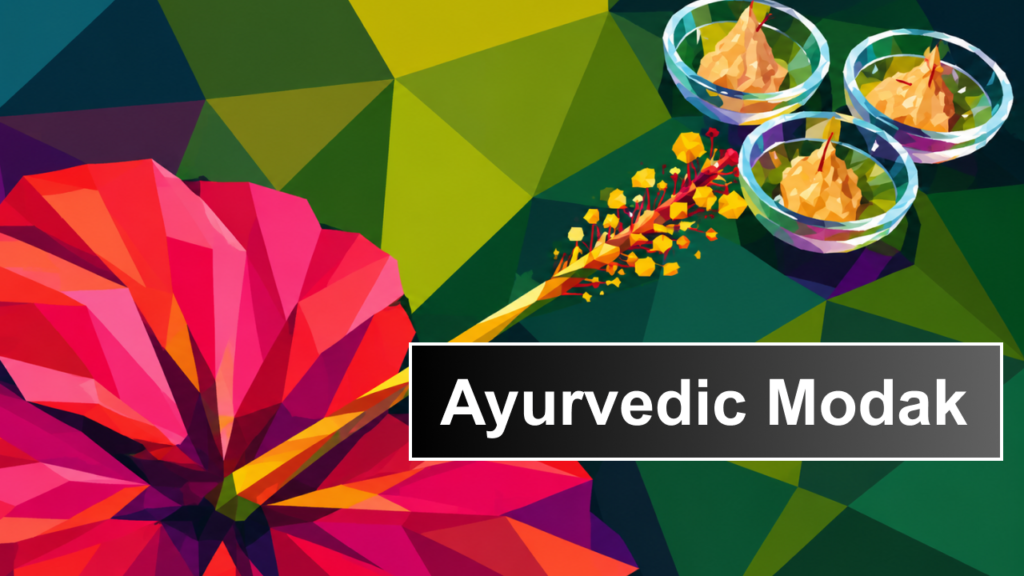
Ayurvedic ModakRead the Taste Roots story →Watch the recipe on YouTube ↗
Ingredients & Method
Ayurvedic Modak
Ingredients
Khoya (Mawa) – 1 cup
Rock Sugar Powder – 1 cup
Honey – 1 teaspoon
Saffron-infused Milk – 1 teaspoon
Cardamom Powder – ½ teaspoon
Cinnamon Powder – ½ teaspoon
Long Pepper / Black Pepper Powder – ½ teaspoon
Nagkesar (Ceylon Ironwood Stamen) – ½ teaspoon
Method
Roast the khoya until it turns lightly golden and aromatic. In a mixing bowl, combine the roasted khoya, rock sugar powder, cardamom powder, cinnamon powder, black pepper powder, Nagkesar, and saffron-infused milk. Mix thoroughly until well combined. Refrigerate the mixture for about 1 hour to firm it up. Lightly grease a modak mould with ghee and shape the mixture into modaks.
Ayurvedic Benefits
According to Ayurveda, consuming one Ayurvedic Modak daily may help support:
– Pippali (Long Pepper), when used with honey, is traditionally indicated for both chronic and acute cough, dyspnoea (shortness of breath), and hoarseness of voice.
– Improves appetite
– Relief from general weakness and fatigue
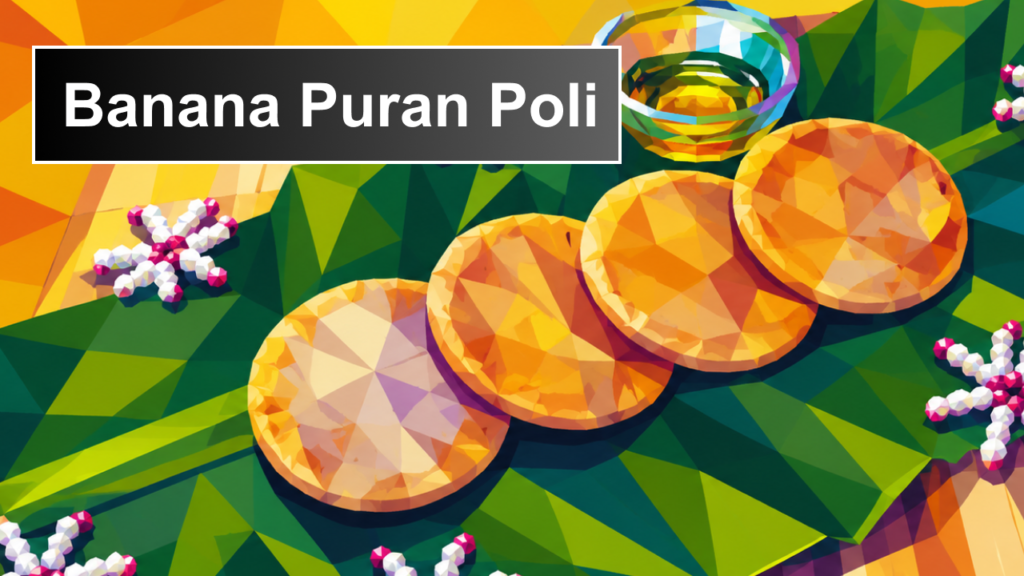
Banana Puran PoliRead the Taste Roots story →Watch the recipe on YouTube ↗
Ingredients & Method
Banana Puran Poli
Ingredients
Raw banana (boiled) – 1
Rock sugar powder – ½ cup
Cardamom powder – ½ tsp
Nutmeg powder – a pinch
Salt – a pinch
Ghee – 2 tsp
Amaranth flour (Rajgira flour) – 1 cup
Method
Peel the boiled banana and grate it finely.
Heat a pan and add the grated banana and rock sugar powder. Sauté well until combined. Add the cardamom powder and nutmeg powder and mix thoroughly. Once the mixture thickens, switch off the heat and allow the banana filling to cool completely.
In a mixing bowl, combine the amaranth flour and salt. Gradually add lukewarm water and knead into a soft dough. Lightly grease your hands with oil and divide the dough into small portions.
Stuff each dough ball with the banana filling and gently roll it into a small flatbread.
Since amaranth flour tends to be crumbly and does not roll out perfectly round, you may use a mold or cutter to shape neat round polis.
Heat a griddle (tawa), cook the polis by applying a ghee, on both sides until golden brown and crisp.
Serve hot with a drizzle of ghee.
Ayurvedic Benifits
🍌 Nourishes and strengthens the body – Banana and rajgira provide natural nourishment and support healthy tissue development (Dhatu Poshana).
🔥 Supports digestive comfort – Cardamom and nutmeg help balance the heaviness of banana and aid digestion.
⚡ Provides sustained energy – Rajgira and natural sweeteners offer long-lasting energy and help reduce fatigue.
🌿 Helps balance Vata – The sweet taste (Madhura Rasa) along with ghee has a calming and grounding effect on Vata Dosha.
✨ Promotes Ojas and vitality – Ghee, banana, and rock sugar are traditionally considered nourishing foods that support strength and overall well-being.

Curd LadooRead the Taste Roots story →Watch the recipe on YouTube ↗
Ingredients & Method
Curd Ladoo
Ingredients
Hung curd (Chakka) – 1 cup
Rock sugar (Mishri) powder – 1 cup
Rice flour – 1 cup
Ghee – for deep frying
Green cardamom – 2 pods
Salt – ½ teaspoon
This recipe makes approximately 12–13 ladoos.
Method
Tie the curd in a cloth and let the water drain out. Add rice flour and salt to the hung curd and knead into a soft dough. Generally, 1 cup of rice flour is sufficient for 1 cup of hung curd. Ensure that the hung curd is fresh and not overly sour.
In another pan, bring the water to a boil. Add the powdered rock sugar and cardamom, then prepare a one-string sugar syrup.
Heat ghee in a pan. Shape the dough into small balls and deep-fry them over a low flame until crisp and golden. Transfer the fried balls into the warm syrup and allow them to soak for a few minutes.
Dahi Ladoos are ready to serve. These laddus are not soft like Gulabjam, soft inside and slightly hard outside.
Celebrate Dahi Handi by offering these homemade Dahi Ladoos as Naivedya to Lord Krishna.
Ayurvedic Benefits
Fresh hung curd helps nourish the body and supports strength.
Rice flour gives the laddus a light and soft texture.
These laddus are delicious and are traditionally considered helpful in balancing Vata and Pitta while helping soothe excess heat (burning sensation).
Note: According to Ayurveda, fresh curd is generally preferred over sour curd. Curd is traditionally considered more suitable during the daytime and is best consumed fresh and in moderation.
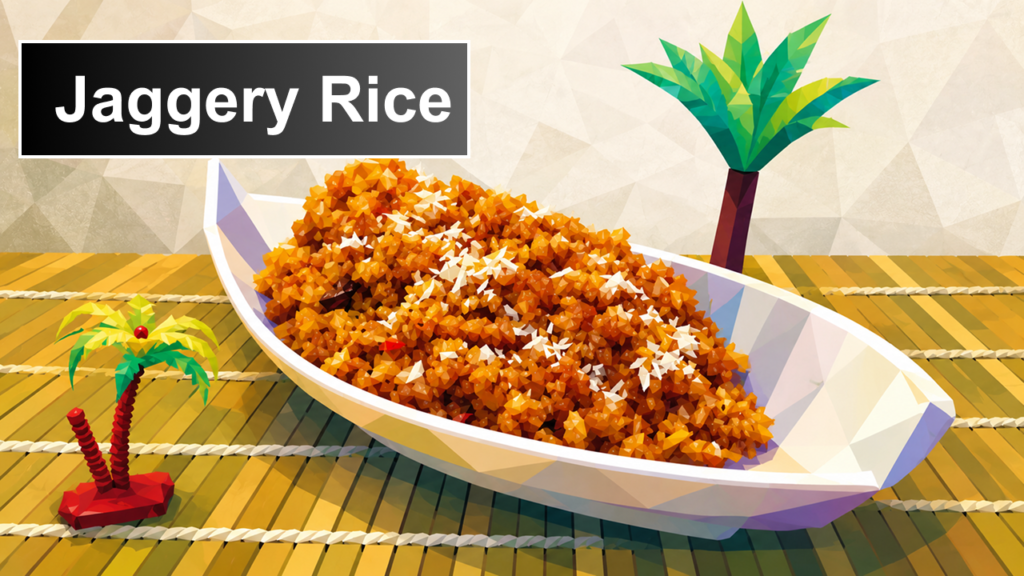
Jaggery RiceRead the Taste Roots story →Watch the recipe on YouTube ↗
Ingredients & Method
Jaggery Rice
Ingredients
Soaked rice – 1 cup
Fresh grated coconut – 1 cup
Jaggery – 1 cup
Ghee – 3 tbsp
Cloves – 2–3
Cardamom powder – ½ tsp
Nutmeg powder – ½ tsp
Saffron – ½ tsp
Sliced cashews and almonds – 2 tbsp
Method
Bring 2 cups of water to a boil in a saucepan. Add the jaggery, cardamom powder, and nutmeg powder. Stir until the jaggery dissolves completely and the mixture comes to a gentle boil.
Soak the rice for 30 minutes, then drain it well.
Heat the ghee in a pan and add the cloves. Add the fresh grated coconut and soaked rice, then sauté well over medium heat. Add the saffron and continue sautéing until aromatic.
Pour the hot jaggery syrup into the pan. Mix gently, cover with a lid, and cook until the rice is tender.
Open the lid occasionally and stir gently to ensure even cooking. Once the rice is partially cooked, add the ghee, cover, and continue cooking until done. Once the rice is fully cooked, switch off the heat and let it rest, covered, for 5–10 minutes.
Garnish with sliced cashews and almonds before serving warm..
Ayurvedic Benefits
–Jaggery Rice (Gur Bhaat) is a nourishing traditional Ayurvedic dish that provides warmth, energy, and satisfaction.
– Helps provide quick, sustained energy.
– Jaggery is traditionally valued as a natural source of iron and is considered supportive of healthy blood nourishment.
– Ghee and fresh coconut help nourish the body and are traditionally considered Vata-balancing.
– Cardamom, nutmeg, and cloves are traditionally used to support healthy digestion.
– When enjoyed in moderation, it promotes nourishment, strength, and satiety.
– Especially suitable during cooler weather and festive occasions.
Best suited for: Vata ✔️ | Pitta ✔️ (in moderation) | Kapha ⚠️ (in moderation)
Jaggery Rice is traditionally considered beneficial for overcoming weakness. This nourishing dish helps promote a sense of well-being, provides energy to the body, and enhances the appetite and enjoyment of food.
.
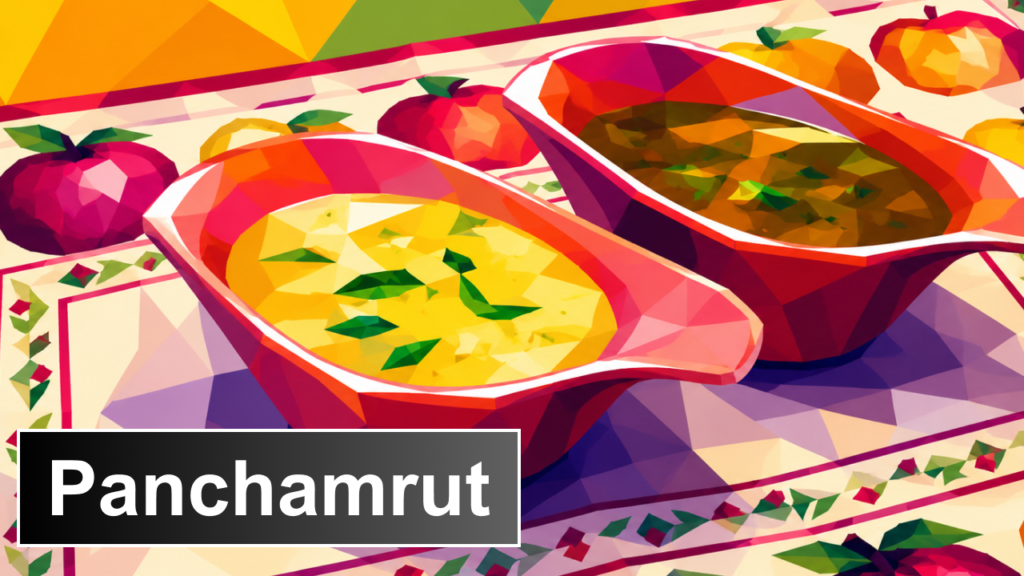
Panchamrut – 1Read the Taste Roots story →Watch the recipe on YouTube ↗
Ingredients & Method
Panchamrut – 1
Ingredients
Light green chilies – 2
Curry leaves – 8-10
Asafoetida (hing) – ½ tsp
Salt – 1 tsp
Fenugreek seeds – ½ tsp
Turmeric powder – ½ tsp
Jaggery – 1 tsp
Tamarind pulp – 2 tsp
Oil – 2 tsp
Coconut water – ½ cup
Coconut milk – 1 cup
Method
Heat oil in a pan. Once hot, add the green chilies and asafoetida. Meanwhile mix (roasted in a drop of oil) the fenugreek seeds and turmeric into the coconut water.
After the chilies are sautéed, add the curry leaves and sauté briefly.
Pour in the coconut water mixture. Once it comes to a boil, add the tamarind, jaggery, and salt, and mix well.
When the mixture boils again, add the coconut milk and stir gently. Cover the pan and let it cook. After about 2 minutes, remove the lid and give it a gentle stir. Turn off the heat, cover again, and let it rest for another 2 minutes.
Delicious Panchamrut is ready to serve.
Panchamrut – 2
Ingredients
Oil – 2 tsp
Light green chilies – 2
Asafoetida (hing) – ½ tsp
Curry leaves – 8-10
Fenugreek seeds – ½ tsp
Turmeric powder – ½ tsp
Sesame seeds – 1 tsp
Coriander seeds – 1 tsp
Cardamom pods – 2
Cloves – 3–4
Fresh grated coconut – ½ cup
Fresh coriander leaves – 2 tsp
Salt – 1 tsp
Jaggery – 2 tsp
Tamarind pulp – 1 cup
Method
First, dry roast the sesame seeds, coriander seeds, cardamom, and cloves in a pan until aromatic. Add the grated coconut and coriander leaves and sauté for a few more minutes. Turn off the heat, add a little oil, and mix well. Allow the mixture to cool and then grind it into a fine paste.
Heat oil in a saucepan. Add the green chilies, asafoetida, curry leaves, fenugreek seeds, and turmeric, and sauté well. Add the tamarind pulp, jaggery, and salt and mix thoroughly. Then add the prepared spice paste and stir well. Bring the mixture to a boil and cook until it becomes slightly thick.
Turn off the heat.
Delicious Panchamrut is ready to serve.
This Panchamrut is delicious and flavorful and can be enjoyed like a chutney / dip with vadas or fritters (bhajiyas).
Ayurvedic Benefits
– Nourishes and strengthens the body – Coconut milk and coconut water provide natural cooling and support tissue nourishment (Dhatu Poshana).
– Supports healthy digestion – Fenugreek seeds, hing, and curry leaves help kindle digestive fire (Agni) and reduce bloating.
– Promotes Dosha balance – The combination of sweet, sour, and mildly pungent tastes helps maintain harmony among the Doshas.
– Aids metabolism and detoxification – Tamarind and spices support proper digestion and elimination of toxins (Ama).
– Provides energy and rejuvenation – Jaggery and coconut offer natural energy and contribute to overall vitality (Ojas).
Ingredients
Light green chilies – 2
Curry leaves – 8-10
Asafoetida (hing) – ½ tsp
Salt – 1 tsp
Fenugreek seeds – ½ tsp
Turmeric powder – ½ tsp
Jaggery – 1 tsp
Tamarind pulp – 2 tsp
Oil – 2 tsp
Coconut water – ½ cup
Coconut milk – 1 cup
Method
Heat oil in a pan. Once hot, add the green chilies and asafoetida. Meanwhile mix (roasted in a drop of oil) the fenugreek seeds and turmeric into the coconut water.
After the chilies are sautéed, add the curry leaves and sauté briefly.
Pour in the coconut water mixture. Once it comes to a boil, add the tamarind, jaggery, and salt, and mix well.
When the mixture boils again, add the coconut milk and stir gently. Cover the pan and let it cook. After about 2 minutes, remove the lid and give it a gentle stir. Turn off the heat, cover again, and let it rest for another 2 minutes.
Delicious Panchamrut is ready to serve.
Panchamrut – 2
Ingredients
Oil – 2 tsp
Light green chilies – 2
Asafoetida (hing) – ½ tsp
Curry leaves – 8-10
Fenugreek seeds – ½ tsp
Turmeric powder – ½ tsp
Sesame seeds – 1 tsp
Coriander seeds – 1 tsp
Cardamom pods – 2
Cloves – 3–4
Fresh grated coconut – ½ cup
Fresh coriander leaves – 2 tsp
Salt – 1 tsp
Jaggery – 2 tsp
Tamarind pulp – 1 cup
Method
First, dry roast the sesame seeds, coriander seeds, cardamom, and cloves in a pan until aromatic. Add the grated coconut and coriander leaves and sauté for a few more minutes. Turn off the heat, add a little oil, and mix well. Allow the mixture to cool and then grind it into a fine paste.
Heat oil in a saucepan. Add the green chilies, asafoetida, curry leaves, fenugreek seeds, and turmeric, and sauté well. Add the tamarind pulp, jaggery, and salt and mix thoroughly. Then add the prepared spice paste and stir well. Bring the mixture to a boil and cook until it becomes slightly thick.
Turn off the heat.
Delicious Panchamrut is ready to serve.
This Panchamrut is delicious and flavorful and can be enjoyed like a chutney / dip with vadas or fritters (bhajiyas).
Ayurvedic Benefits
– Nourishes and strengthens the body – Coconut milk and coconut water provide natural cooling and support tissue nourishment (Dhatu Poshana).
– Supports healthy digestion – Fenugreek seeds, hing, and curry leaves help kindle digestive fire (Agni) and reduce bloating.
– Promotes Dosha balance – The combination of sweet, sour, and mildly pungent tastes helps maintain harmony among the Doshas.
– Aids metabolism and detoxification – Tamarind and spices support proper digestion and elimination of toxins (Ama).
– Provides energy and rejuvenation – Jaggery and coconut offer natural energy and contribute to overall vitality (Ojas).
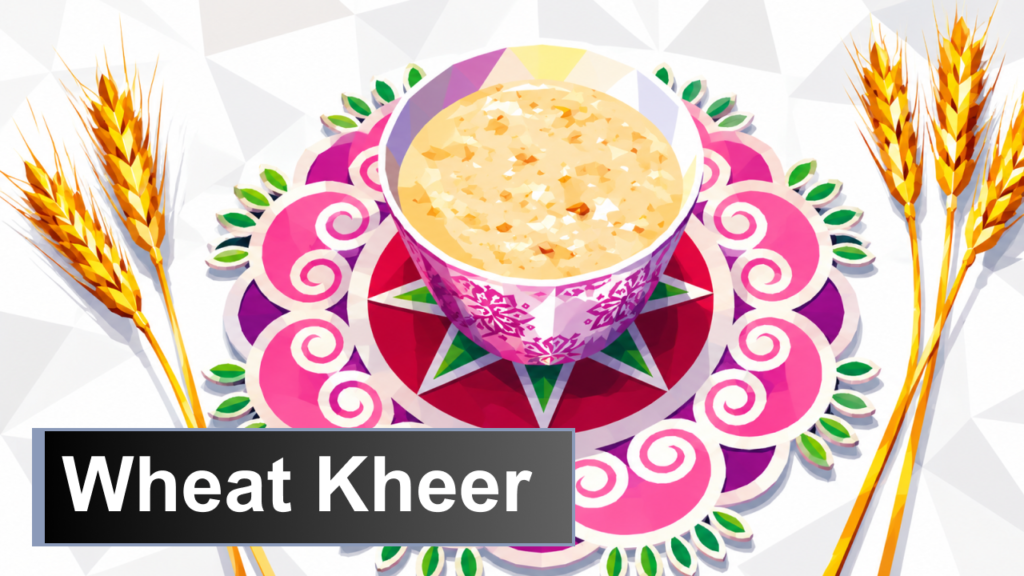
Wheat KheerRead the Taste Roots story →Watch the recipe on YouTube ↗
Ingredients & Method
Wheat Kheer
Ingredients
1 cup soaked, coarsely ground wheat
2 tablespoons soaked Bengal gram (chana dal)
2 tablespoons soaked rice
½ teaspoon cardamom powder
1 tablespoon sliced almonds
1 cup powdered jaggery
1 litre milk
Method
Soak the wheat overnight and coarsely grind it. Soak the chana dal and rice for 1 hour. Place the ground wheat, soaked chana dal, and soaked rice in a pressure cooker. Add enough water and cook for 3 whistles.
Meanwhile, bring the milk to a boil in a separate pot and let it simmer until it reduces slightly. Add the cooked wheat, chana dal, and rice mixture to the milk and mix well.
Stir in the cardamom powder and sliced almonds. Cook until the kheer thickens slightly. Turn off the heat and allow it to cool until it becomes lukewarm. Once lukewarm, add the powdered jaggery and mix thoroughly.
Your delicious Wheat Kheer is ready. Offer it as Naivedya (a sacred food offering) before serving.
Ayurvedic Benefits
– Wheat is nourishing (Brimhana), strengthening, and supports healthy muscle tissue and stamina.
– Jaggery aids digestion, supports healthy blood, and provides natural energy.
– Milk is considered an excellent Rasayana, promoting vitality, immunity (Ojas), and overall nourishment.
– Chana Dal provides plant-based protein and supports muscle strength and sustained energy.
– Almonds nourish the brain, improve memory, and provide healthy fats.
– Cardamom enhances digestion, reduces heaviness, and balances the richness of milk and jaggery.
This kheer is especially beneficial during cooler seasons, supports healthy weight and strength, and helps balance Vata while gently supporting Pitta when consumed warm and in moderation.
Ayurvedic Note: For best digestion, enjoy this kheer warm and in moderation. Adding jaggery only after the kheer becomes lukewarm is recommended in Ayurveda, as it helps preserve its qualities and reduces the chance of curdling the milk.
Don’t just eat. Explore the wisdom of what you eat.
Follow Vedic Food Experience for more recipes, food stories and Ayurvedic insights.