
No ‘Sugar’coating please!
What Does Ayurveda Say About Sugar?
Sugar adds sweetness to our food, but is all sugar the same? Classical Ayurvedic literature describes different forms of sugar and their properties. Modern nutrition also reminds us that consuming too much added sugar can affect our health.
1. Khaṇḍasarkarā (खण्डशर्करा) — Solid Sugar
According to Bhavaprakasha:
Khaṇḍa is described as sweet, nourishing, strength-promoting, unctuous, and cooling in potency. Traditionally, it is said to pacify Vata and Pitta and to be beneficial for vision. The passage also mentions its traditional use in vomiting.
2. Sitaśarkarā (सितशर्करा) — White or Crystalline Sugar
According to Bhavaprakasha:
Sitaśarkarā refers to white, crystalline sugar. It is described as very sweet, cooling in potency, and traditionally associated with pacifying Vata and Rakta-Pitta and relieving burning sensations. The text also mentions its traditional use in fainting, vomiting, and fever.
3. Puṣpasitā (पुष्पसिता) — Sugar of Flowers
According to Bhavaprakasha:
Puṣpasitā is described as cooling, light to digest (laghu), and traditionally beneficial in conditions associated with Rakta-Pitta. The passage also describes Sitopala, or crystalline sugar, as light and cooling, with properties associated with balancing Vata and Pitta.
4. Madhuśarkarā (मधुशर्करा) — Sugar of Honey
According to Bhavaprakasha:
Madhuśarkarā is described as dry in its effects, heavy to digest (guru), astringent in taste, and cooling in potency. The text associates it with pacifying Kapha and Pitta and mentions traditional uses in thirst, burning sensations, vomiting, diarrhoea, and certain blood-related conditions.
What Does the Classical Text Say About Sweetness?
The passage concludes that as the purity of sugar increases, its sweetness, unctuousness, lightness, cooling properties, and laxative action also increase.
These descriptions belong to the traditional Ayurvedic framework. They should not be interpreted as proof that sugar treats these conditions or that one form of sugar is safe to consume without limits.
The Bitter Truth About Excess White Sugar
Refined white table sugar consists primarily of sucrose. Although it supplies energy, it provides very little fibre, vitamins, or minerals. Frequent excessive consumption of added sugars can contribute to:
Weight gain and obesity: Sugary foods and drinks can increase calorie intake without providing lasting fullness.
Type 2 diabetes risk: Excess sugar can contribute to weight gain and metabolic risk. Diabetes is multifactorial and is not caused by sugar alone.
Tooth decay: Oral bacteria use sugars to produce acids that damage tooth enamel.
Heart health concerns: High intake of added sugars, particularly from sugary drinks, is associated with increased cardiovascular risk.
Fatty liver risk: High consumption of sugary beverages and excess calories can contribute to fat accumulation in the liver.
Blood glucose fluctuations: Sugary foods and drinks can cause rapid rises in blood glucose, particularly when consumed in large amounts or without other foods.
Does Brown Sugar or Traditional Sugar Mean Healthy Sugar?
Not necessarily. Khaṇḍa, crystalline sugar, jaggery, honey, and other sweeteners differ in composition and processing, but they still contribute sugars to the diet. Replacing white sugar with another sweetener does not automatically eliminate the risks associated with excess sugar.
The Vedic Intelligence Takeaway
Sweetness belongs on the plate, not in excess.
Ayurveda describes sugar through its traditional qualities and context of use. Modern nutrition highlights the importance of limiting excessive added sugar. The practical approach is not to fear every sweet taste, but to be mindful of the source, quantity, frequency, and overall balance of your diet.
Stop sugarcoating. Start understanding your sweetness!
Editorial note: This article is for educational purposes only. Classical Ayurvedic descriptions are presented as traditional knowledge, not as established clinical evidence. Sugar is not a treatment for vomiting, fever, fainting, diabetes, or other medical conditions.
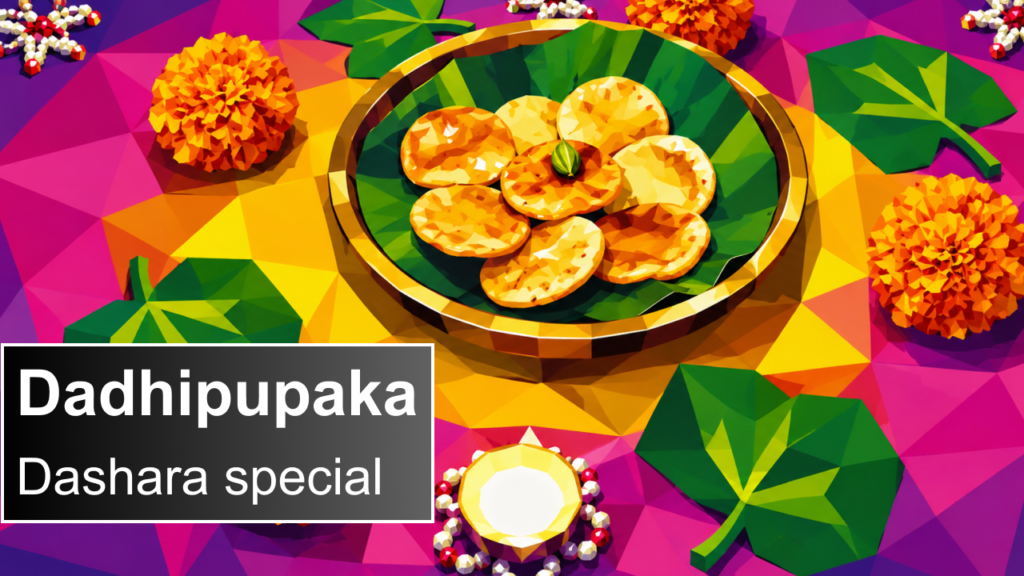
Dadhipupaka
Ingredients
Rice flour – 1 cup
Curd/Yogurt – ¼ cup
Salt – ¼ teaspoon
Khandsari sugar – 1 cup
Cardamom – 2 pods
Ghee – for frying
Water – as required
This quantity makes approximately 23–24 small vadas.
Method
Combine the rice flour, salt and curd. Add a little water at a time and knead into a firm dough.
Apply a little ghee to the rolling board and shape small portions of the dough into small vadas.
Use a mould to give them a neat round shape.
Heat ghee in a kadai for frying the vadas. Meanwhile, prepare the sugar syrup.
In a vessel, combine khandsari sugar, water as required and cardamom. Prepare a one-string sugar syrup.
Fry the vadas in ghee over medium heat. Do not allow them to become hard or overly crisp, otherwise the syrup will not penetrate them properly.
Soak the fried vadas in the prepared sugar syrup.
Dadhipupaka is ready.
🌿 Ayurvedic Benefits
Rice is traditionally considered sweet in taste and nourishing.
Curd/Yogurt is traditionally described as Guru (heavy), Ushna (warming) and Amla (sour). When used appropriately, it can contribute to nourishment and taste.
Ghee is unctuous (Snigdha) and traditionally considered supportive of Vata balance and nourishment.
Khandsari sugar has a sweet taste and provides energy.
Cardamom is aromatic and traditionally used to support digestion.
From an Ayurvedic perspective: Dadhipupaka is a sweet, unctuous and nourishing preparation. Because it contains curd, ghee and sugar, it can be relatively heavy to digest. It is therefore best enjoyed in a small quantity, at an appropriate time, and according to one’s digestive capacity. It is especially suitable as a festive preparation or Naivedya (sacred offering).
Copyright © 2026 Vedic Intelligence™ – All Rights Reserved.